
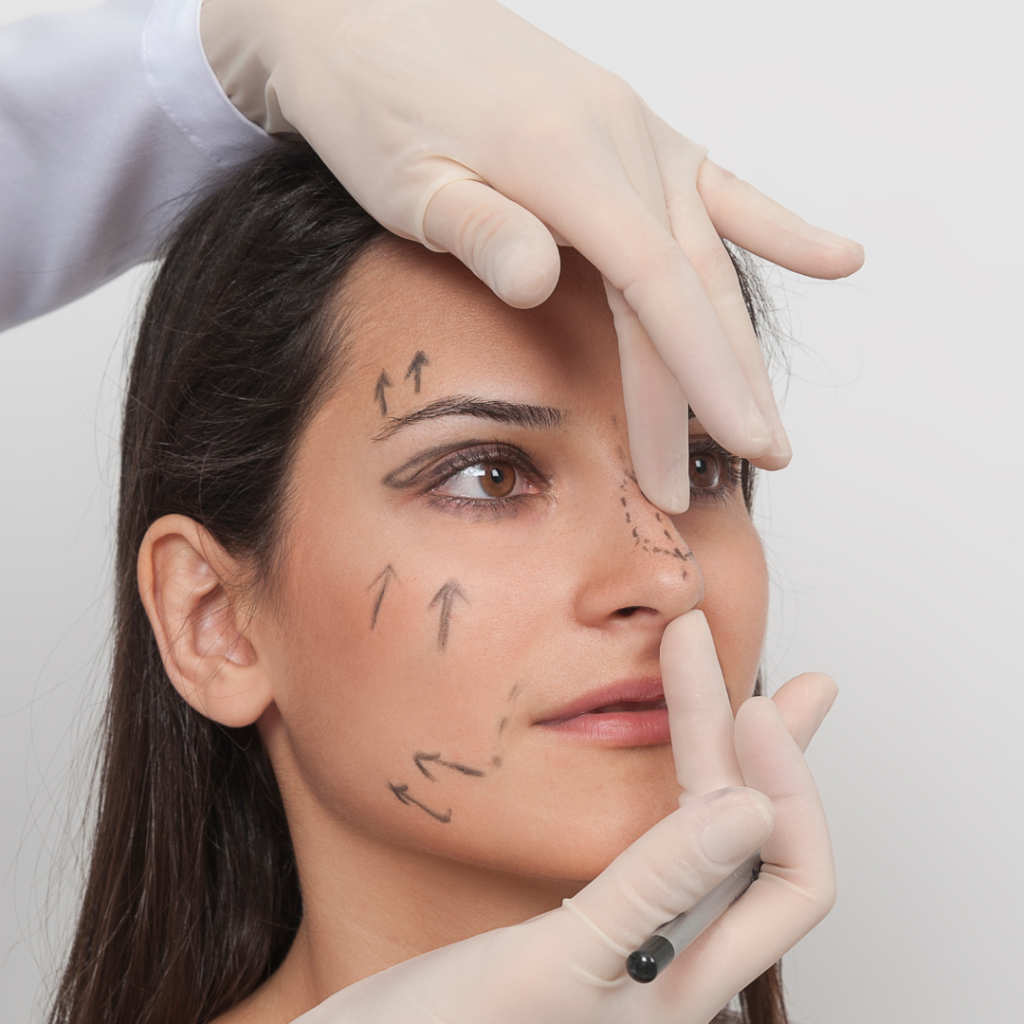
The Intersection of Women’s Health and Cosmetic Surgery
The aesthetic and cosmetic industry is a constantly evolving landscape and surgical techniques have become a game changer shaped largely by the advances in medical technology. Minimally invasive surgery or keyhole surgery are hugely beneficial over traditional surgeries and this has been a huge support for women all over the world when it comes to their health and well-being.
There is a massive gender health gap in the UK and 1 in 3 women in the UK suffer from reproductive or gynaecological health issues in their lives. What is even more concerning is that only 25% of publicly funded research is dedicated solely to reproductive health aka women’s health.
8 out of 10 women in the UK feel they’re not listened to by healthcare professionals — this was one of the findings from the analysis of almost 100,000 responses to the call for evidence, as part of the UK government’s Women’s Health Strategy, launched in 2021.
And then there is the another aspect relating to women’s health: the collective pressure that women, in particular, face as they feel they have to meet unrealistic beauty standards in their professional and personal lives.
Young women sometimes report being valued more for their looks rather than their skills and experiences. So whilst men are of course also affected by body image issues they tend to be judged more on their status, success levels in the work place; the size of their bank balances etc. Women tend still to be disproportionately affected by their appearance and attractiveness, which is largely based on perception.
There are many procedures and treatments that are in high demand purely because of cultural and societal conditioning. In 2022, the large majority of surgical cosmetic procedures worldwide were undertaken by women, and how many of these are done for all the wrong reasons?
Take for example ‘Brazilian butt-lifts’ and the manic rise to popularity, post Kim Kardashian’s naked derrière display in Paper magazine in 2014. Her claims that she has not had any cosmetic procedures done with regards to her famous backside has been rubbished by many reputed cosmetic surgeons as it is unnatural to have a disproportionate and cartoonishly large behind.
But the fact is that it has changed generations of women and their ideas about how their butts and faces and bodies have to be. It’s negative effects on women’s psychological health, and physical health equally, has largely gone unchecked and unspoken. Damaging in equal parts to how men have been moulded into thinking how women’s bodies have to be, also thanks to the porn industry, and their demands on the cosmetic/aesthetic industry so that women fit into a certain box that tantalises and tempts.
There has been a disturbing trend of cosmetic surgeons, clinics and nurses who have jumped on this bandwagon to further take advantage of naive and gullible young women who will buy and demand any procedure related to their face, lips, breasts and butts as long as they are promised a better version of themselves thinking that this gets them instant popularity.
There is this very dogged negative fixation of a certain beauty standard that needs to be achieved whether you are a young, older or middle aged woman: many seem caught up in this grip of aspiring fixation that can be a never ending black hole. And the fact that the number of young people turning to cosmetic procedures to achieve a certain beauty standard has also been increasing, and this is a red flag.
Supply and demand factor: no demand no supply. So we need to take responsibility for both aspects. Hence the need for cosmetic surgeons and clinics to be diligent and strict in their duty of care and ethical practices and ensuring that their patients’ psychological well-being is handled with care in. Body Dysmorphia is something we screen for at every consultation here at Ministry of Aesthetics.
But there is more regulation in the UK coming soon that will ensure practitioners have to have a licence and be fully and adequately qualified to be able to administer both surgical and non surgical treatments.
At the same time there are some great advantages that cosmetic surgery brings to women’s health, especially as they reach menopause or post childbirth.
There can be a loss of collagen and elastin which affects the skin all over the face and body, leading to a loss of elasticity and, in terms of their intimate wellbeing, they can experience vaginal dryness which gets in the way of enjoying a healthy sex life, no matter what age they are. Women haven’t been able talk openly about these issues for a long time and there has historically been a lack of understanding. But this is now changing.
It’s about time that women get to feel accepted and understood.
There is an aspect of cosmetic surgery that is now seeing a rise in demand related to Aesthetic/Cosmetic gynaecology and this involves various procedures like labiaplasty, clitorial hood reduction, vaginal rejuvenation, vaginal tightening and perineoplasty. And female clients are now investing more in their sexual wellness journey by seeking these procedures to improve their intimacy.
Mr Brian Simons at The Ministry of Aesthetics is highly skilled in this procedure and has seen a rise in the number of patients. He says- “Among gynaecological related cosmetic operations, labiaplasty has seen the greatest increase in our society at present and it is great to see more and more women take charge of their sexual health in such a positive way.”
According to the American Society for Aesthetic Plastic Surgery this increase in demand for labiaplasty has been attributed to everything from the rise in tight-fitting athleisure wear and the popularity of indoor cycling in combination with women being more empowered to address this particular area knowing the simplicity of the procedure.
Labiaplasty patients also reported a 96% improvement in self-confidence and comfort in wearing tight clothing and increased quality of life and self-esteem. In a 2018 study, patients reported a significant improvement in sexual function, including decreased pain and increased enjoyment.
Adds Mr Simons “treatments like Vaginal tightening/Vaginal rejuvenation carry their own set of risks and it is important to choose your surgeon wisely- someone who has been trained specifically in this anatomy and in consultation with your gynaecologist. Surgeons and gynaecologists should have had training to recognise women with sexual function disorders as vs those with depression, anxiety, and other psychological conditions.”
“Every potential female client has to be assessed if indicated for body dysmorphic disorder which again is a huge topic related to women’s health and a referral for evaluation before surgery has to be the norm.” says Mr Simons.
Lack of published studies and standardized nomenclature related to female genital cosmetic surgical procedures and their outcomes translates to a lack of clear information on incidence and prevalence and limited data on risks and benefits. Women should be informed about the lack of high-quality data that support the effectiveness of genital cosmetic surgical procedures and counseled about their potential complications, including pain, bleeding, infection, scarring, adhesions, altered sensation, dyspareunia, and need for reoperation. As for all other procedures, obstetricians–gynecologists and plastic/cosmetic surgeons who perform genital cosmetic surgical procedures should inform prospective patients about their experience and surgical outcomes. Patients should be made aware that surgery or procedures to alter sexual appearance or function (excluding procedures performed for clinical indications, such as clinically diagnosed female sexual dysfunction, pain with intercourse, interference in athletic activities, previous obstetric or straddle injury, reversing female genital cutting, vaginal prolapse, incontinence, or gender affirmation surgery) are not medically indicated, pose substantial risk, and their safety and effectiveness have not been established.
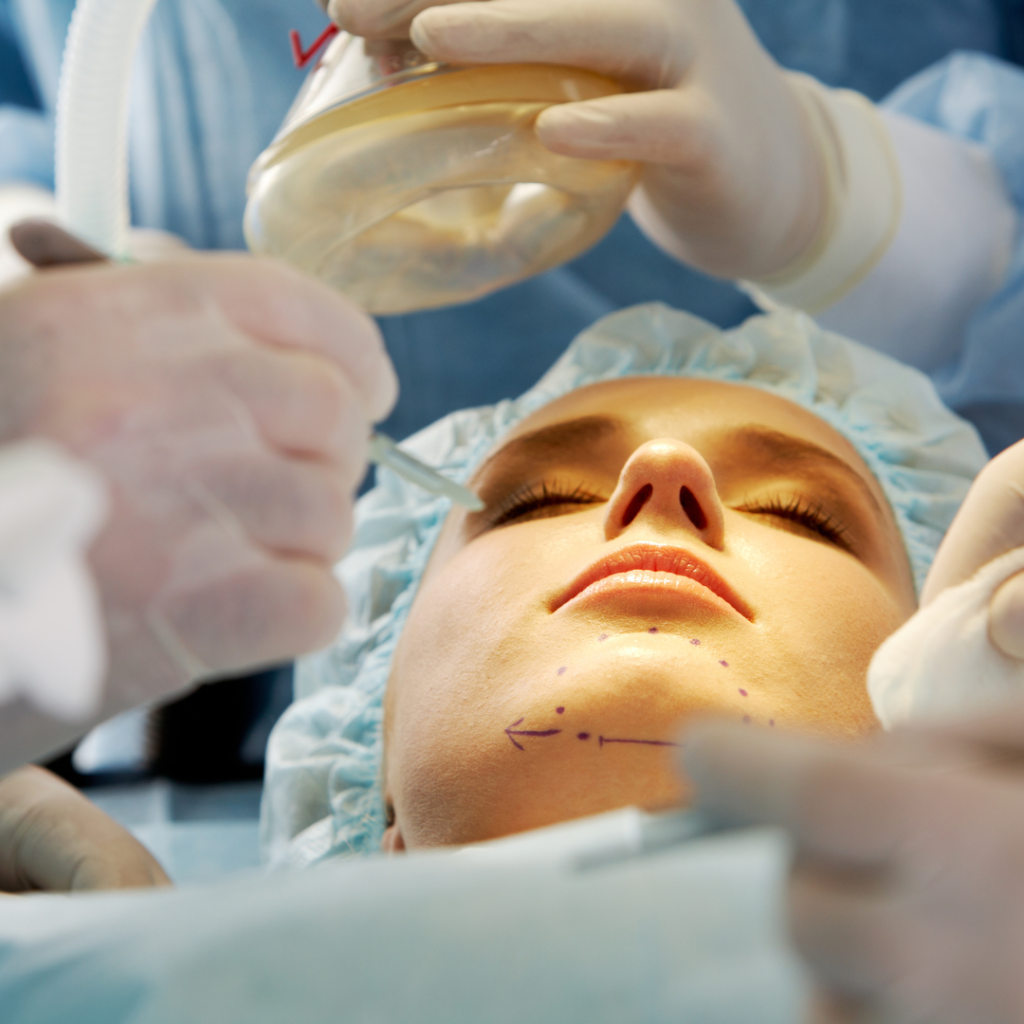
There are also other factors such as –
1. Psychological Well-being
Cosmetic surgery can significantly impact a woman’s mental and emotional health. For many, these procedures offer a pathway to improved self-esteem and body image. Women who are dissatisfied with certain aspects of their appearance often experience enhanced confidence and reduced anxiety after undergoing cosmetic surgery. This boost in self-esteem can lead to overall better mental health and social interactions.
2. Reconstruction and Recovery
Cosmetic surgery is not limited to elective procedures for aesthetic purposes. Reconstructive surgeries play a critical role in the recovery process for women who have undergone mastectomies due to breast cancer, suffered from traumatic injuries, or experienced congenital abnormalities. Breast reconstruction, for instance, helps many women regain a sense of normalcy and femininity after battling cancer, significantly improving their quality of life.
3. Addressing Physical Discomfort
Certain cosmetic procedures can alleviate physical discomfort. For example, women with excessively large breasts often suffer from chronic back, neck, and shoulder pain. Breast reduction surgery can provide substantial relief from these physical ailments, enhancing overall health and mobility. Similarly, procedures like abdominoplasty (tummy tuck), Vaser lipo can remove excess skin that might cause irritation or infection, particularly after significant weight loss or pregnancy.
4. Holistic Health Approach
A holistic approach to health recognizes the interplay between physical appearance and overall well-being. Many women find that improving their appearance through cosmetic surgery encourages them to adopt healthier lifestyles. Post-surgery, women are often motivated to maintain their results through regular exercise, a balanced diet, and skin care routines, contributing to better long-term health.
However, what needs a serious look is what drives cosmetic surgery in women and what are its real life impacts for the wider community- this a much larger ongoing discussion that we all have to actively be a part of.
More research and data is needed in regard to how cosmetic surgery is marketed to women and by whom; women’s experiences and satisfaction post-surgery; and how cosmetic surgery is used to express, police and shape beauty expectations and gender norms.
The relationship between women’s health and cosmetic surgery is multifaceted, encompassing physical, emotional, and psychological dimensions.
Cosmetic procedures can significantly enhance a woman’s quality of life by addressing aesthetic concerns, alleviating physical discomfort, and aiding in recovery from medical conditions. By making informed decisions and prioritising overall well-being, women can successfully navigate the intersection of health and beauty, achieving a harmonious balance between the two.
We are at the forefront of something huge here and we all can come together to ensure that the true way forward is the basis of our foundations rather than greed and false glamour.


