

In a world where one can DIY pretty much everything these days: laser away your own body hair, give yourself red light therapy or cryotherapy or even facial toning from the comfort of your own home, what does the future look like for the Cosmetic Surgical and Non Surgical Industries?
The global beauty industry is slated to be worth almost $600 billion by 2027 and the cosmetic surgery/aesthetic sector has proven to be resilient, phenomenally expansive and consistently delivering high margins with even newer avenues for growth.
In January 2022, the cosmetic surgery and aesthetic industry in the UK was valued at approximately £3.6 billion (source: British Association of Aesthetic Plastic Surgeons – BAAPS).
Plastic surgery has been trending upward for the past few years with no signs of slowing down. According to the American Society of Plastic Surgeons, post-pandemic procedures grew by almost 20% in 2022, and the demographic for plastic surgery patients is getting younger than it has ever been.
In a recent survey compiled by the American Academy of Facial Plastic and Reconstructive Surgery (AAFPRS), 75% of facial plastic surgeons report year-over-year upticks in patients under 30 years old seeking cosmetic surgery or injectables, which many participants attribute to both celebrity influence and the ubiquity of front-facing camera use.
All the latest trending treatments seem to focus on early intervention, smaller tweaks and more natural looking results but only time will tell as to the credibility of these treatments and how many are just passing fads.
“As we become more advanced, cosmetic surgery trends for 2024 and beyond will focus on non-surgical facial rejuvenation and minimally invasive body procedures. These procedures cater to individuals seeking subtle enhancements without the need for extensive surgery or prolonged recovery times”.- says Mr Brian Simons the Owner/Founder of Ministry of Aesthetics based in Torquay UK.
Technological advancements have played a vital role in shaping the plastic and cosmetic surgery landscape. Procedures such as laser skin resurfacing, non-surgical fat reduction, and robotic-assisted surgeries have gained prominence. In the future, we can expect further integration of artificial intelligence, virtual reality, and 3D imaging, allowing surgeons to visualise and plan procedures with enhanced accuracy.
Laser technology has revolutionised the field of cosmetic surgery by providing precise and controlled treatment options. Laser skin resurfacing, for example, can effectively improve the appearance of wrinkles, scars, and pigmentation irregularities. The laser’s ability to target specific areas of the skin with precision allows for a more tailored and effective treatment approach.
Non-surgical treatments and fat reduction techniques have also gained popularity in recent years. These procedures, such as cryolipolysis (commonly known as CoolSculpting) use controlled cooling to target and destroy fat cells without the need for surgery. This non-invasive approach can provide some patients with an alternative to traditional liposuction, offering a more comfortable and convenient option for body contouring. However there have been complications associated with these treatments and it’s seen it has seen it’s share of negative press in recent years. All possible risks and options must be weighed up on a case by case basis before choosing the most appropriate course of action. For some patients surgery could indeed still be the best option.
Minimally invasive procedures are now being increasingly designed to achieve a more therapeutic – and even preventative – effect as compared to traditional open surgery but with smaller incisions, reduced pain, faster recovery times and often fewer complications.
Some examples of minimally invasive procedures in the cosmetics industry include:
- Dermal Fillers – Injectable fillers, such as hyaluronic acid are used to add volume, smooth wrinkles, and enhance facial features.
- Laser & Radiofrequency Microneedling Treatments – Lasers and RF can be used for various skin treatments, including skin resurfacing, pigmentation correction and hair removal. Fractional laser and Radiofrequency technology is commonly used for skin rejuvenation.
- Non-Surgical Facelifts – Procedures like thread lifts or ultrasound-based treatments can provide a lifting effect to delay the need for traditional surgery, or for younger patients.
- Injectable Fat Reduction – Involves injecting a substance into the subcutaneous fat, such as beneath the chin to reduce the appearance of a double chin.
- Bio stimulation – biostimulator injections such as peptides, nucleotides, non cross-linked hyaluronic acid etc
At the Ministry of Aesthetics our minimally invasive procedures are customised to your needs and we take care to ensure that we meet the highest professional standards at all times.
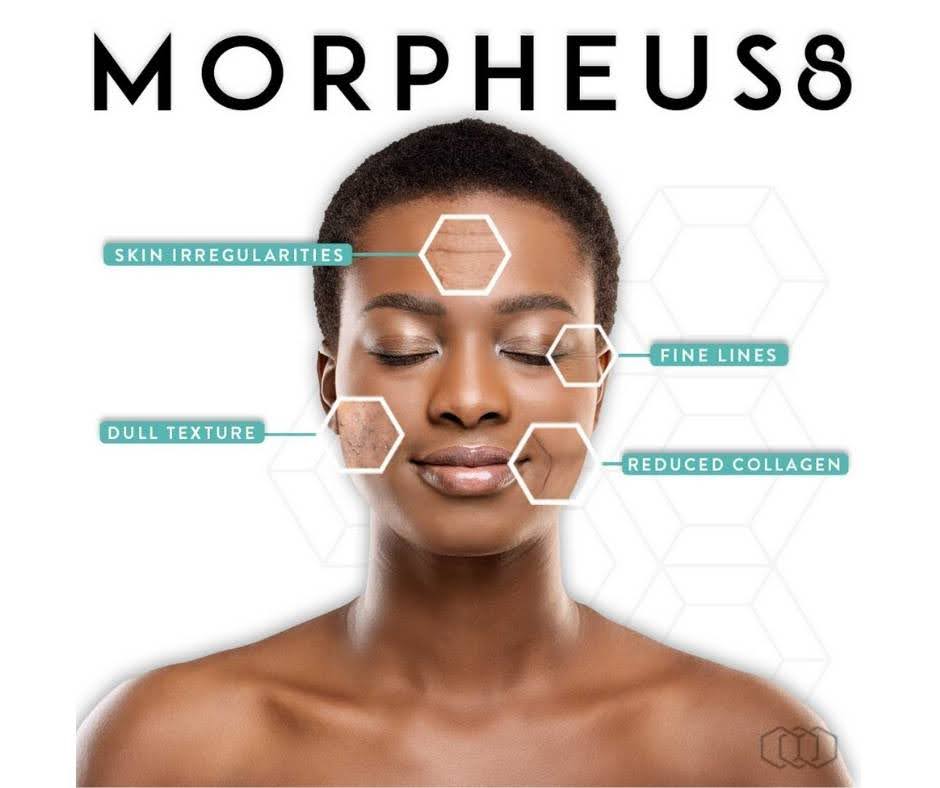
Photo courtesy-INMODE
Predictions for the Future of Cosmetic Surgery
While the future is always full of possibilities, here are some predictions for what we may see in the field of cosmetic surgery:
- Continued growth in non-invasive and minimally invasive procedures, offering patients more options and reduced risks.
- Advancements in 3D printing technology may lead to the development of custom implants and prosthetics, providing more tailored solutions for patients.
- The integration of artificial intelligence (AI) into cosmetic surgery may enhance surgical planning and improve patient outcomes.
- Increased collaboration between cosmetic surgeons and other medical disciplines, such as dermatology and psychology, to provide comprehensive care and address the holistic needs of patients.
- A shift towards a more individualised and more customised approach, with procedures and treatments tailored to each patient’s unique anatomy, preferences, and goals.
As the future unfolds, it is essential for both patients and professionals to stay informed about the latest advancements, research, and regulations in the field of cosmetic surgery. By embracing new technologies, understanding changing attitudes, and keeping an eye on emerging trends, we can navigate the future of cosmetic surgery with confidence and ensure the best possible outcomes for patients.
Here at the Ministry of Aesthetics, we have Mr Brian Simons, a highly qualified plastic and reconstructive surgeon with significant experience in surgical and non-surgical cosmetic procedures across Europe.
To know more about us and what we offer, Contact Us.


